Slack Integration
Connect Statusbrew with Slack to receive real-time notifications for publishing activity, engagement, and channel events directly in your Slack channels.
Slack Integration is available on the Standard plan and above. See full plan comparison.
How does Slack integration work?
When you connect one or more Slack workspaces to Statusbrew, you can set up notification rules that send real-time alerts to any Slack channel whenever specific activities happen in Statusbrew.
You can receive notifications for the following activities:
Publish
Post created
Post updated
Post deleted
Post approved
Post step approved
Post rejected
Post recalled
Post published
Post failed
Post Note
Engage
Message replied
Conversation snoozed
Conversation closed
Conversation re-opened
Conversation assigned
Conversation Added to Inbox
Conversation Note
Channel
Channel added
Channel removed
Channel re-authenticated
Channel disconnected
Channel disconnect warning
Who can do this?
Any team member can connect Slack workspace. Only Admins and above can create and manage alert rules. The integration is managed at the organization level.
How to connect Slack with Statusbrew?
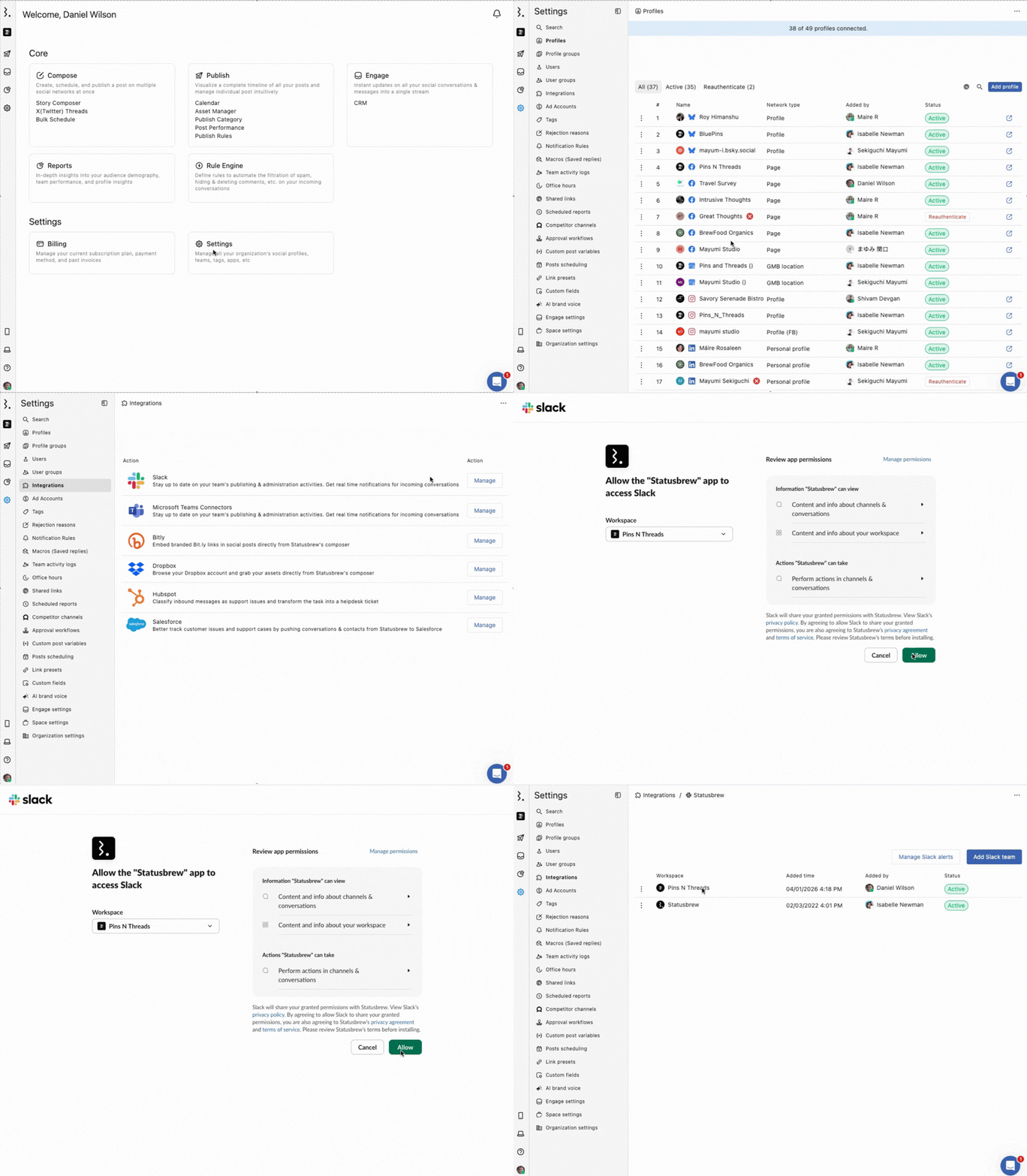
Go to Settings > Integrations
Click Manage beside Slack
Click Add Slack team
Authorize Statusbrew to access your Slack account
You can connect multiple Slack workspaces. Repeat the steps above for each workspace you want to add.
How to set up Slack alerts?
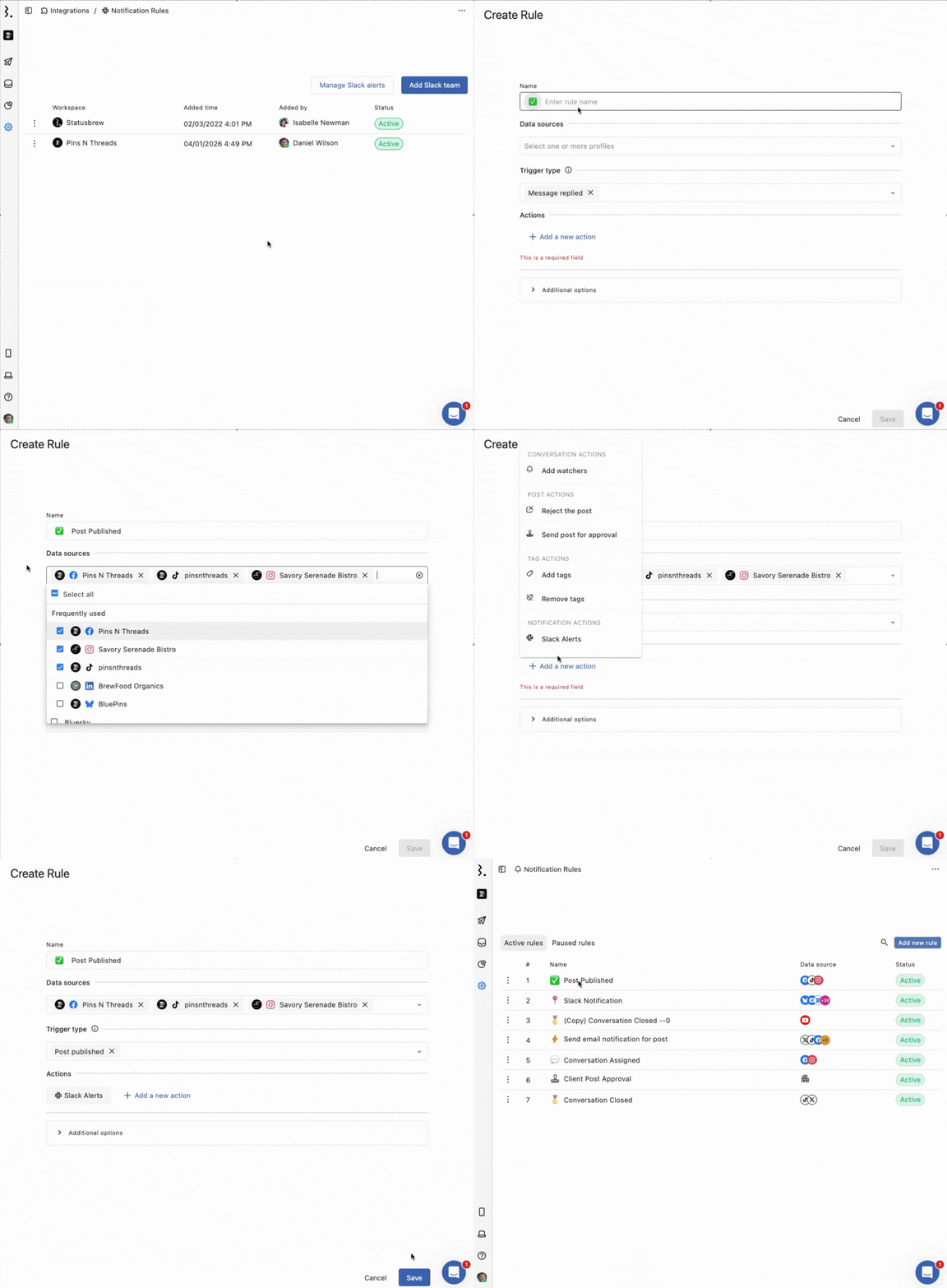
Go to Settings > Integrations
Click Manage beside Slack
Click Manage Slack alerts
Click Add new rule
Enter a rule Name
In Data sources, add the profiles or profile groups you want alerts for
In Trigger type, select the activities you want to be notified about
Click Add a new action > Slack Alerts
Select the Slack team and channel to send the alerts to and click Add
Click Submit
You can create multiple rules to send different alerts to different Slack channels. For example, send publishing failures to your content team's channel and new engagement activity to your community team's channel.
How to manage Slack alerts?
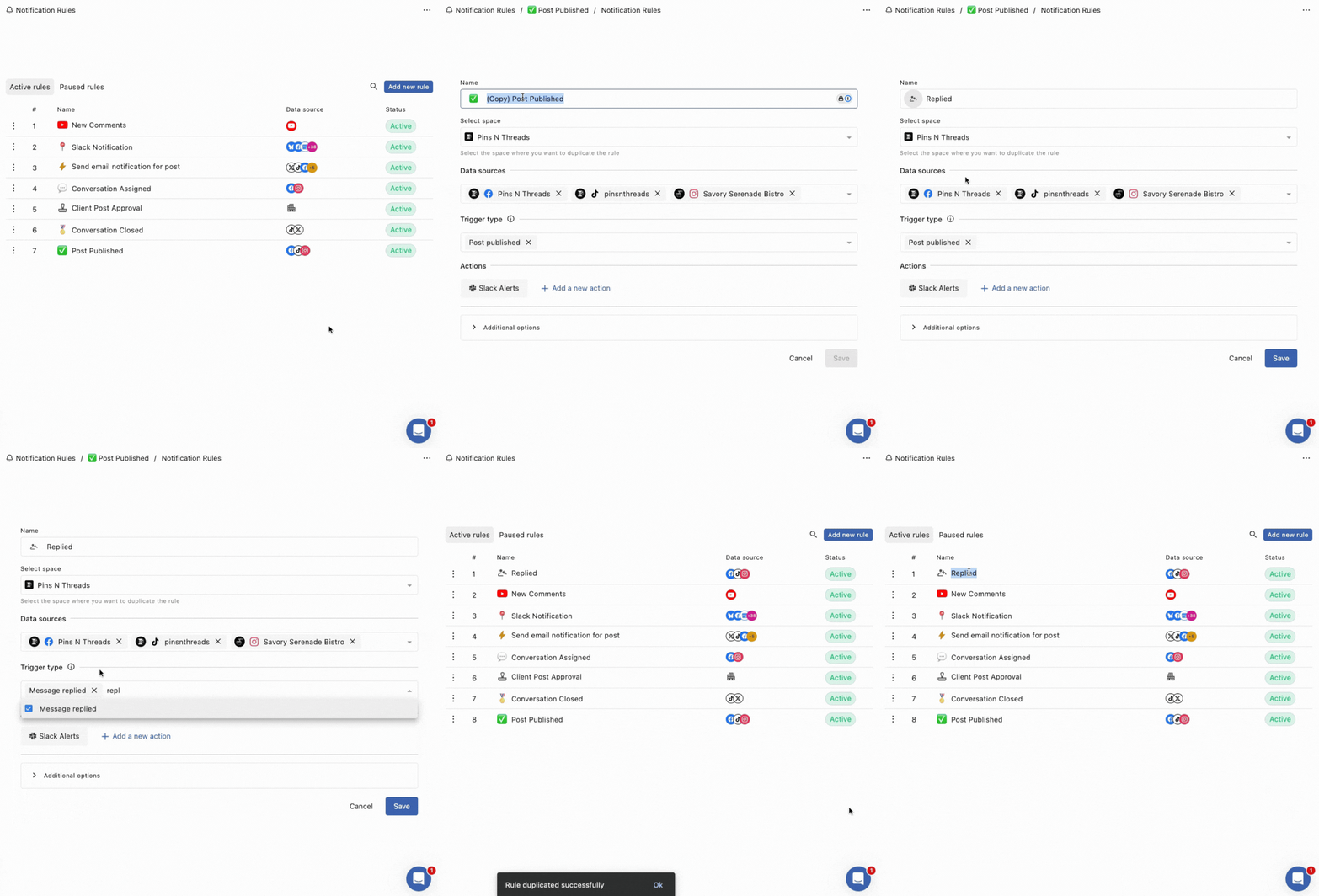
To edit, duplicate, or delete an alert rule:
Go to Settings > Integrations
Click Manage beside Slack
Click Manage Slack alerts
Click beside the rule you want to change
Select Edit rule, Duplicate, or Delete
If you select Edit rule, make your changes, and click Submit. If you select Duplicate, adjust the copy and click Submit. If you select Delete, confirm by clicking Delete rule in the dialog.
Pausing and reactivating rules
To pause a rule without deleting it:
Click beside the rule, then click Edit rule
Click Pause
Paused rules appear under the Paused rules tab in the Notification Rules window. To reactivate, click beside the rule, click Edit rule, then click Activate.
How to control who can use a connected Slack workspace?
By default, all team members can select any connected Slack workspace when creating their own alert rules. You can restrict access to specific users or user groups.
Go to Settings > Integrations
Click Manage beside Slack
Hover over the workspace and click
Click Edit
Under Share access with, choose one of the following:
All team members: Everyone can use this workspace (default)
Specific users/user groups: Only selected people can use it
Only me: Only you can use it
Click Save
FAQs
Can I send different alert types to different Slack channels?
Yes. Create a separate notification rule for each channel. Each rule has its own trigger type selection and its own Slack channel destination. For example, you can send post approval notifications to a client-facing channel and engagement notifications to an internal team channel.
Can I connect more than one Slack workspace?
Yes. Go to Settings > Integrations > Slack > Manage and click Add Slack team for each additional workspace. Once connected, any workspace is available to select when setting up alert rules.
Can I stop alerts without deleting the rule?
Yes. Pause the rule instead. Go to Settings > Integrations > Slack > Manage > Manage Slack alerts, click beside the rule, open Edit rule, and click Pause. Alerts stop immediately and resume when you activate the rule again.
Why did I stop receiving Slack notifications?
Check the following:
The notification rule is active, not paused. Go to Manage Slack alerts and check the Paused rules tab.
The Slack workspace is still connected. A disconnected workspace will no longer receive alerts.
Your Slack workspace access. If shareability was restricted to specific users, confirm you still have access.
The profile or profile group in the rule's Data sources is still connected to Statusbrew.
What happens to my Slack alerts if a connected profile is disconnected?
Alerts tied to that profile's activity will stop triggering. Reconnect the profile in Settings > Profiles, and the rule will resume firing for that profile's activity.
Can I set up Slack alerts for a client's Slack workspace without sharing it with my whole team?
Yes. Connect the client's workspace, then edit it and set Share access to Specific users/user groups. Only the team members you select will be able to use that workspace in their alert rules.
Does each team member need to connect to Slack themselves?
No. Slack Integration is managed at the organization level. Any team member can connect a workspace and it becomes available to all team members (unless shareability is restricted). Individual team members do not need to connect to Slack separately.
Can I reply to social media comments or Slack messages?
No. The Slack integration is notification-only. Statusbrew sends real-time alerts to your Slack channels when activity happens, but you cannot reply to social comments or messages from within Slack. To respond, go to Engage in Statusbrew.
Can I take publishing actions like approving posts or adding notes from Slack?
No. Slack notifications for publishing activity (post approvals, notes, edits) are informational only. They let your team know something happened in Statusbrew, but the action itself must be taken directly in Statusbrew.
Why can't I see my Slack channel in the dropdown when setting up an alert?
First, make sure your Slack is connected. Only public Slack channels appear in the channel list. If your channel is private, it will not show up. Make it a public channel for Statusbrew alerts.